This is a Chinese language programme without subtitles.
To many observers, the conductor stands at the center of the stage, commanding the orchestra and shaping the entire musical event — the most visible, even glamorous, presence in the concert hall.
For Hu Yongyan, however, the essence of conducting has little to do with spotlight or aura.
“It is,” he suggests, “a long discipline of cultivation.”
Failure as the Essential Teacher
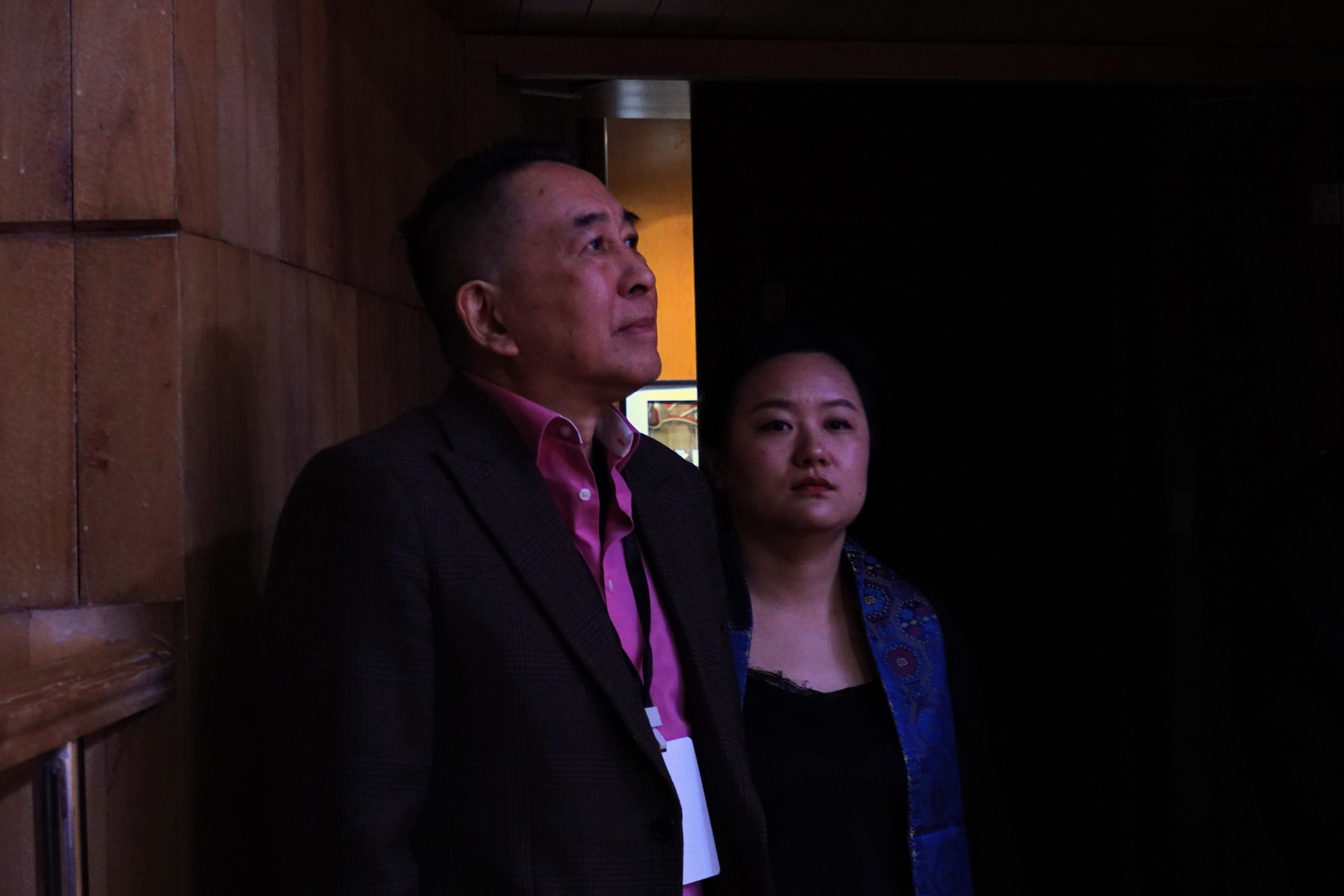
Hu has long maintained that failure is not an incidental detour in a conductor’s career but an integral part of the art itself.
The path is notoriously unforgiving. Workshops, competitions, orchestral auditions — the rate of rejection far exceeds that of success. Being turned down, compared, evaluated, and re-evaluated is the norm rather than the exception. What determines whether a young conductor can endure, Hu believes, is not a single triumph but the capacity to respond constructively to disappointment.
Growth rarely emerges from smooth ascent. It is forged in recalibration — in the quiet decision to persist after yet another setback.
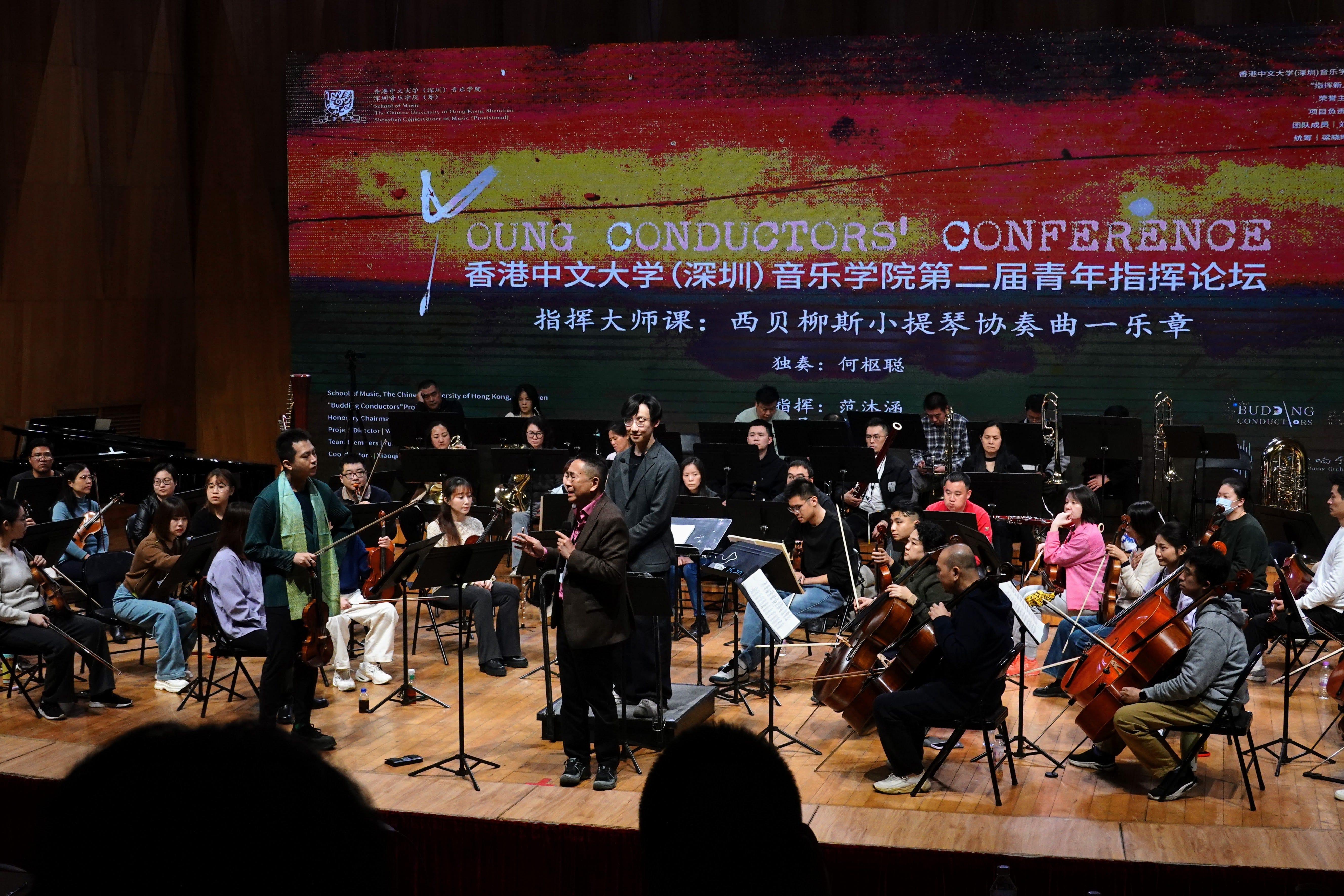
This conviction partly inspired Hu to establish the Young Conductors Conference at the Shenzhen Conservatory of Music, The Chinese University of Hong Kong. The second edition, held from January 18 to 21 in Nanning, Guangxi, sought to address what he sees as a structural gap in traditional conducting education.
Classroom instruction, he notes, often remains confined to technical analysis. But real training must occur in front of an orchestra. Without the feedback of living sound, learning to conduct is like learning to swim on dry land.
The forum provides young conductors with the opportunity to work directly with professional orchestras, completing substantial repertoire within limited rehearsal time. The intensity is deliberate. It tests not only musical preparation but psychological resilience.
Today’s professional environment moves at accelerating speed. Rehearsal periods are shorter, expectations of efficiency higher. A contemporary conductor must operate, Hu says, with the precision of a finely tuned machine — forming judgments quickly, communicating clearly, and making artistic decisions under pressure.
Yet above efficiency stands inner stability. Only those who have come to terms with failure can remain lucid when facing the real stage.

A Profession Often Misunderstood
Conducting, Hu observes, is also a profession persistently misunderstood.
Audiences see the gestures — the raised hands, the shaping of phrases — but rarely the complex web of relationships and institutional structures behind them. A conductor must navigate not only the artistic discernment of orchestral musicians but also administrative systems and decision-making processes. In many institutions, hiring and invitations involve individuals outside the artistic sphere.
Acceptance or rejection, therefore, is not determined solely by musical ability.
This reality places conductors under dual pressure: they must earn the trust of musicians while also establishing understanding with management and stakeholders.
Communication, in Hu’s view, lies at the heart of the profession. The baton is a language. Verbal guidance in rehearsal is a language. Conversations with administrators are equally a language.
Such communication is not performance in the theatrical sense. It is an expression of character.
A conductor must be humble yet stand in a position of authority; respectful toward the orchestra yet decisive at critical moments. Maintaining that balance is less a technical skill than a way of being.
Above all, Hu emphasizes sincerity. In rehearsal, any hint of artificiality is quickly detected. Musicians possess acute sensitivity to authenticity; bluster and posturing cannot sustain trust.
For Hu, the conductor has only one true identity: musician. Technique, style, and personal flair must serve the work itself — never become vehicles for self-display.
Every Score an Unfinished Question
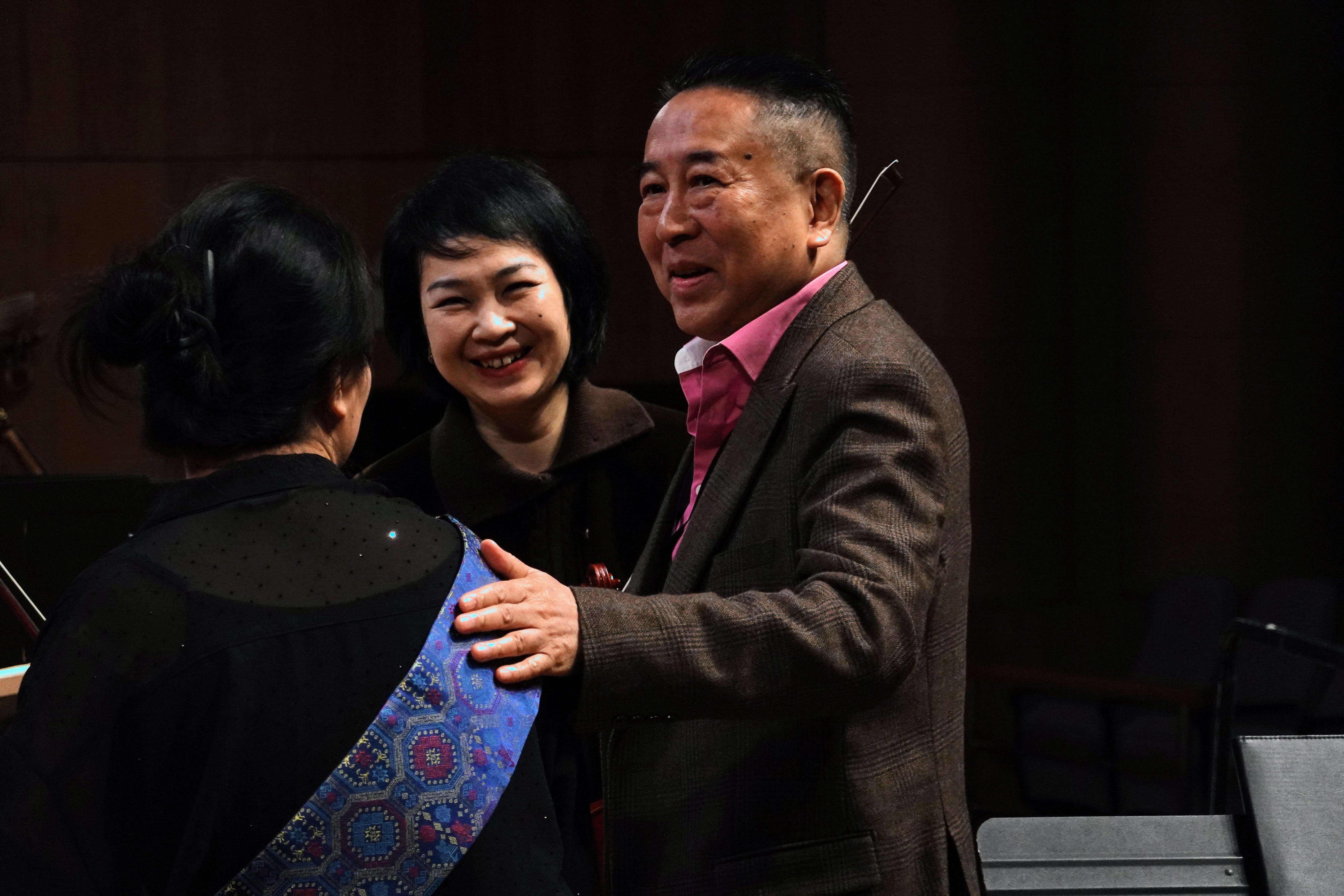
Discussing the repertoire selected for this year’s forum — classical and Romantic symphonic works — Hu resists treating them as settled monuments.
He prefers to regard each score as an ongoing question.
Whether one considers the structural architecture of Beethoven or the emotional intensity of Tchaikovsky, there is no final interpretation. Each era, each orchestra, each conductor reveals new perspectives.
For Hu, fidelity to the composer’s text remains the point of departure. He begins with the original score, studies its historical and stylistic context in depth, and only then shapes a personal interpretation. His approach resembles that of a researcher as much as a performer.
Music, in this view, is not a dazzling spectacle but a patient inquiry. Genuine passion is not external exuberance but the sustained capacity to delve deeper.
Between failure and misunderstanding, between efficiency and sincerity, Hu Yongyan sketches a clear orientation for the art of conducting: first become a true musician. Only then does everything else — authority, success, recognition — acquire meaning.